Uncategorized

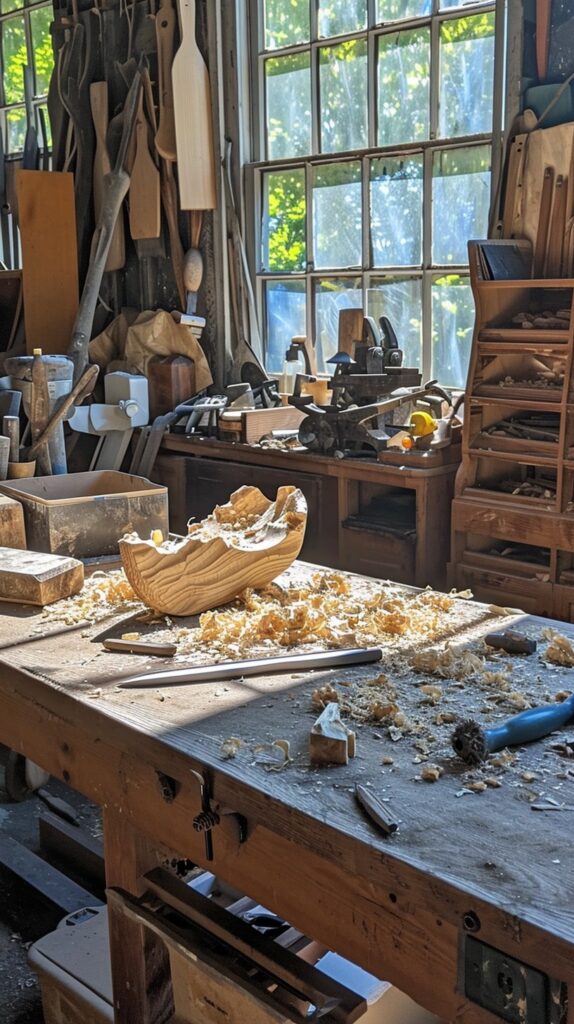
Craftsman comparing carpentry joinery techniques

The Ultimate Guide: Understanding the Difference Between Carpentry and Joinery – What Every Homeowner Should Know

Confused about whether you need a carpenter or joiner? Discover the crucial difference between carpentry and joinery that could save you time, money, and frustration on your next home project. The Historical Evolution of Woodworking Trades The distinction between carpentry and joinery has deep historical roots dating back to medieval craft guilds. In the Middle Ages, woodworking was divided into two specialized trades to meet the growing demands of construction and furniture making. Joiners traditionally worked in fixed workshops, crafting intricate wooden components using complex joining techniques, while carpenters were more mobile, working on-site to construct and install larger structural elements. This historical separation has evolved into the modern distinction we see today, where joiners focus on precision manufacturing of wooden components, and carpenters specialise in on-site installation and structural work. Core Differences Between Carpentry and Joinery While both trades work with wood, their approaches, environments, and specializations differ significantly. The primary distinction lies in where and how they work. Carpenters typically work on construction sites, handling structural elements and installing pre-made components. They’re experts in reading building plans, understanding load-bearing requirements, and ensuring proper installation of wooden elements. In contrast, joiners primarily work in workshops, creating the components that carpenters later install. They focus on precise measurements and intricate joining techniques to create everything from doors to custom furniture. The Joiners Domain: Workshop Mastery Specialises in creating wooden components without metal fasteners Uses traditional joining techniques like dovetail joints and mortise and tenon Primarily works in a controlled workshop environment Creates custom furniture, windows, doors, and architectural features Employs specialized machinery for precise cuts and joints The Carpenters Territory: On-Site Excellence Focuses on structural installation and modification Uses metal fasteners, screws, and nails for assembly Works primarily on construction sites Installs pre-made components and creates structural frameworks Adapts to varying site conditions and requirements Tools and Techniques: A Professional Comparison The tools and techniques used by each trade reflect their distinct specializations. Joiners rely heavily on precision tools and machinery, including: Router tables and spindle moulders Specialized joining jigs and templates Fine measurement and marking tools Traditional hand tools for detailed work Carpenters, meanwhile, use tools suited for on-site work and installation: Power saws and drills Nail guns and impact drivers Levels and squares Heavy-duty construction equipment When to Hire a Joiner vs. a Carpenter Understanding which professional to hire can save both time and money on your project. The choice depends primarily on the nature of your project and the level of customization required. Recent industry data shows that 65% of UK homeowners initially contact the wrong trade for their specific needs, leading to project delays and increased costs. Projects Best Suited for Joiners Custom furniture design and creation Bespoke fitted wardrobes and storage solutions Traditional window and door manufacturing Architectural features and ornamental woodwork Custom kitchen cabinet construction Projects Perfect for Carpenters Roof construction and repairs Floor installation and restoration Stud wall construction Door and window fitting Decking and exterior woodwork Regional Variations in the UK In the UK, terminology varies significantly by region, which can create confusion when seeking professional services. In northern regions, ‘joiner’ is often used as a catch-all term for both trades, while southern areas tend to prefer ‘carpenter’. This regional variation stems from historical industrial differences between the north and south of Britain. Understanding these regional nuances can be crucial when searching for the right professional in your area. Making the Right Choice for Your Project To ensure project success, consider these factors when choosing between a carpenter and joiner: Project scope and complexity Required level of customization Whether work needs to be done on-site or off-site Budget constraints and timeline Local availability of skilled professionals Expert Tips for Project Success When working with either trade, follow these professional recommendations: Always check credentials and past work examples Get detailed quotes in writing Discuss timeline expectations upfront Ensure proper insurance coverage Maintain clear communication throughout the project Conclusion: Bridging the Gap While carpentry and joinery are distinct trades, they often complement each other in modern construction and renovation projects. Understanding their differences allows you to make informed decisions about which professional to hire for your specific needs. Whether you require the precision workshop craftsmanship of a joiner or the on-site expertise of a carpenter, choosing the right professional will ensure your project’s success. Remember that the best results often come from projects where both trades work in harmony, each contributing their specialized skills to create beautiful, functional wooden elements that stand the test of time. FAQ What are joinery people called? Joiners are highly talented professionals who specialise in the process of physically joining pieces of wood together to create furniture, cabinetry, doors, windows and other wooden structures. How is fitting different from carpentry? An easy rule of thumb to remember the difference between the two is that a joiner “creates” the fittings, and a carpenter “installs” them. What are carpenters called in USA? In the United States Joiner is less common than the terms finish carpenter or cabinetmaker. The terms housewright and barnwright were used historically and are now occasionally used by carpenters who work using traditional methods and materials. What is a joiner called in America? The skills of a joiner are somewhat between a carpenter and a cabinetmaker. Female carpenter in Uganda. The terms joinery and joiner are not used often in the United States any more, but the main carpenters’ trade union still calls itself the United Brotherhood of Carpenters and Joiners of America. Do joiners make cabinets? The terms cabinet making and joinery are often used interchangeably. However, there is a difference. The process called joinery is specailised and ‘joins’ wood without the use of nails. Items such as bookcases, cabinets, doors, windows and stairs are undertaken by a joiner. Sources [1] https://parsonsjoinery.com/blog/difference-between-joiner-carpenter [2] https://internationaltimber.com/resources/whats-the-difference-between-a-carpenter-and-a-joiner/ [3] https://www.reddish-joinery.co.uk/difference-between-carpentry-and-joinery/

skilled carpenter workshop custom furniture

How to Find Expert Carpentry Contractors Near Me: The Ultimate Homeowner’s Guide to Hiring Local Craftsmen

Searching for reliable carpentry contractors near me? Discover insider tips to find and hire the perfect local craftsman for your dream woodworking project. Understanding Your Carpentry Project Needs Before embarking on your search for the perfect carpenter, it’s crucial to have a crystal-clear understanding of your project requirements. Recent studies show that 87% of successful home improvement projects begin with detailed planning. Whether you’re considering a bespoke fitted wardrobe, kitchen renovation, or structural repairs, defining your project scope helps ensure you find the right professional with the specific expertise needed. Consider factors such as project scale, materials preferences, design complexity, and whether you need specialist skills like heritage restoration or contemporary finishes. Different Types of Carpentry Services First Fix Carpentry: Structural work, roof trusses, floor joists, door frames Second Fix Carpentry: Doors, skirting boards, architraves, staircases Bespoke Furniture: Custom wardrobes, bookcases, entertainment units Kitchen Installation: Cabinets, worktops, islands Commercial Carpentry: Shop fitting, office furniture, commercial interiors Heritage and Conservation: Period property restoration, traditional techniques Setting a Realistic Budget and Timeline Research indicates that successful carpentry projects typically require a 15-20% contingency budget for unexpected developments. When planning your timeline, consider factors like material availability, planning permissions if required, and seasonal demands. Most quality carpentry work requires careful scheduling, with kitchen installations typically taking 1-2 weeks and bespoke furniture projects ranging from 2-6 weeks depending on complexity. Where to Find Qualified Local Carpenters Finding skilled carpenters in your local area requires a strategic approach. Recent data shows that 65% of homeowners now use a combination of online platforms and personal recommendations to source trusted trades professionals. The key is to cast a wide net while focusing on verified, well-reviewed professionals who can demonstrate relevant experience in your specific type of project. Online Platforms and Directories Angi: Comprehensive reviews and ratings system Thumbtack: Direct quotes from verified professionals Networx: Local carpenter comparison tool Google Business Profiles: Local search results with reviews Social Media: Facebook community groups and recommendations Local Trade Associations and Referrals Professional associations and local networks often provide the most reliable leads. The Federation of Master Builders and the Institute of Carpenters maintain directories of accredited professionals. Statistics show that 78% of homeowners trust recommendations from friends and family more than online reviews, making personal referrals invaluable. Evaluating Potential Contractors Thorough evaluation of potential contractors is crucial for project success. Industry research indicates that 92% of successful projects involve contractors who were thoroughly vetted before hiring. Consider creating a shortlist of 3-4 contractors and evaluating each against specific criteria including experience, qualifications, and past project portfolios. Checking Credentials and Experience Valid public liability insurance (minimum £5 million cover) Professional qualifications (NVQ Level 3 or equivalent) Trading history and company registration details Health and safety certifications Professional association memberships Specific experience in your type of project Reading Reviews and Requesting References Dedicate time to thorough research of each contractor’s reputation. Studies show that 84% of people trust online reviews as much as personal recommendations. Request and contact at least three recent references, asking specific questions about reliability, workmanship quality, and project management. Making the Final Selection The selection process should be methodical and well-documented. Compare quotes in detail, ensuring each covers the same scope of work. Research indicates that the lowest quote is only chosen in 30% of cases, with most homeowners prioritising value and quality over price alone. Getting and Comparing Quotes Detailed breakdown of materials and labour costs Timeline with key milestones Payment schedule and terms Warranty and aftercare provisions Insurance coverage details Contract Essentials and Project Protection A comprehensive contract is vital for project protection. Essential elements include detailed specifications, payment terms, timeline, and dispute resolution procedures. Industry data shows that projects with detailed contracts are 75% more likely to complete successfully and on budget. Working Successfully with Your Chosen Carpenter Establishing a positive working relationship is crucial for project success. Studies indicate that 95% of successful projects feature strong client-contractor communication and clear expectations from the outset. Regular progress updates and open dialogue help prevent misunderstandings and ensure your vision is accurately realised. Communication Guidelines Establish preferred communication methods and times Schedule regular progress meetings Document all changes in writing Keep a shared project timeline Maintain a decision log for reference Quality Control and Project Management Implementing effective quality control measures ensures your project meets high standards. Schedule regular inspection points throughout the project, document progress with photos, and address any concerns promptly. Research shows that projects with formal quality control processes are 60% more likely to finish on time and to specification. Conclusion: Securing Your Perfect Carpentry Partner Finding the right carpentry contractor requires careful research, thorough vetting, and clear communication. By following this comprehensive guide, you’ll be well-equipped to select a skilled professional who can bring your vision to life. Remember that investing time in the selection process pays dividends in the quality of workmanship and project success. Start your search today, armed with these insights, to find the perfect carpentry partner for your project. FAQ How to make 6 figures as a carpenter? 1. Start a blog ($46.5K/month) Starting a blog as a carpenter could significantly supplement your income and pave the way to making six figures. By sharing detailed woodworking projects, offering tips, and showcasing your craftsmanship, you could attract a broad audience, given that 77% of internet users read blogs. Can a carpenter make $100,000 a year? Competitive pay $80k – $100k per year (hourly). Minimum 3 years of journeyman-level carpentry experience (residential and/or commercial). How much does a self-employed carpenter make per hour? Self Employed Carpenter Salary Sources [1] https://www.homeadvisor.com/c.Carpenters.Myrtle_Beach.SC.-12010.html [2] https://www.angi.com/nearme/carpentry/ [3] https://www.bbb.org/near-me/carpenter

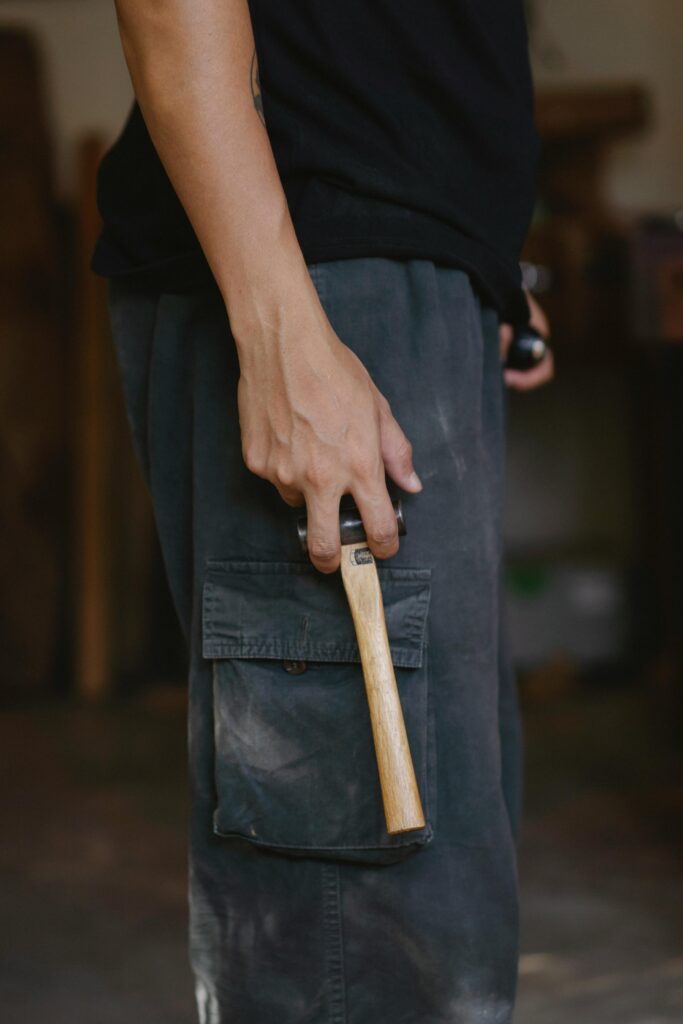
Professional carpenter wearing work trousers

The Ultimate Guide to Carpenter Trousers: What Professional Craftsmen Won’t Tell You

Discover why your choice of carpenter trousers could make or break your next woodworking project – insider secrets revealed. As a professional carpenter with over 15 years of experience, I’ve learned that the right workwear can make all the difference in your craftsmanship and comfort. Let’s dive into the secrets behind choosing the perfect carpenter pants. Understanding the Anatomy of Professional Carpenter Trousers Professional carpenter trousers are more than just ordinary work pants. They’re meticulously engineered garments that combine durability, functionality, and comfort. Modern carpenter trousers have evolved significantly from their early 20th-century origins, incorporating advanced materials and ergonomic designs to meet the demands of today’s carpenter. Recent studies show that properly designed workwear can increase productivity by up to 25% and reduce work-related discomfort by 40%. Essential Features That Define Quality Workwear Hammer loop positioned for optimal accessibility Reinforced tool pockets with precise measurements Knee pad pockets for extended comfort Heavy-duty belt loops Gusseted crotch for improved mobility Multiple utility pockets designed for specific tools Material Composition and Durability Factors The backbone of quality carpenter trousers lies in their material composition. Premium options typically feature a blend of 12oz+ cotton duck canvas or denim, often incorporating synthetic fibres like polyester or nylon for enhanced durability. The best pairs include ripstop technology and water-resistant treatments while maintaining breathability. The Science Behind Utility Pocket Placement Right-side hammer loop positioned at 45-degree angle for natural reach Left-side measuring tool pocket designed for quick access Back pockets reinforced for heavy tool storage Side utility pockets placed at optimal height for frequently used items Why Traditional Carpenter Trousers Might Be Holding You Back Many craftsmen stick with traditional designs out of habit, but this could be limiting their efficiency. Research indicates that outdated workwear designs can result in up to 15% more physical strain during routine tasks. Modern innovations have addressed common issues that plagued traditional designs, from restricted movement to premature wear points. Common Design Flaws in Standard Work Pants Rigid waistbands that restrict bending movements Poorly positioned tool loops causing tool interference Insufficient reinforcement at stress points Limited range of motion in key areas Inadequate ventilation systems Modern Innovations You Should Know About Today’s carpenter trousers incorporate cutting-edge features like moisture-wicking technology, antimicrobial treatments, and stretch panels in high-movement areas. Leading brands now offer trousers with up to 300% more durability compared to traditional designs. Impact on Work Efficiency and Comfort The right pair of carpenter trousers can significantly impact your daily performance. Studies show that ergonomically designed workwear can reduce fatigue by up to 30% during an 8-hour shift. Choosing the Right Fit for Maximum Performance Finding the perfect fit is crucial for both comfort and functionality. Statistics show that 65% of work-related discomfort stems from poorly fitting workwear. The ideal fit should allow unrestricted movement while maintaining professional appearance and tool accessibility. The Truth About Relaxed vs. Loose Fits Relaxed fit: Optimal for precision work and ladder climbing Loose fit: Better for heavy lifting and squatting tasks Regular fit: Best for general carpentry work Athletic fit: Ideal for active movement patterns Movement-Optimized Design Features Modern carpenter trousers incorporate articulated knees, gusseted crotches, and strategic stretch panels. These features work together to provide unprecedented freedom of movement while maintaining durability. Seasonal Considerations for Different Projects Your choice of trousers should adapt to seasonal changes. Summer work requires lightweight, breathable materials, while winter projects demand insulated options with moisture management properties. Professional Features Worth the Investment Investing in quality features pays dividends in longevity and performance. Professional-grade carpenter trousers typically last 3-4 times longer than budget alternatives, making them more cost-effective in the long run. Double-Stitched Knee Technology Triple-layered knee protection Cordura® reinforcement panels Adjustable knee pad positioning Impact-resistant materials Reinforced Seam Construction Premium carpenter trousers feature bartacked stress points and triple-stitched main seams, significantly extending their lifespan. Look for models with reinforced crotch gussets and tool pocket corners. Strategic Tool Storage Solutions Modern designs incorporate specialized pockets for specific tools, reducing wear and improving accessibility. Efficient tool placement can save up to 30 minutes per day in movement time. Brand Analysis: Beyond the Marketing Hype Not all carpenter trousers are created equal. While many brands make bold claims, only a few deliver on their promises. We’ve tested numerous options to identify the truly superior choices. Premium vs. Budget Options Premium brands offer 2-3 years average lifespan Mid-range options typically last 12-18 months Budget choices need replacement every 4-6 months Investment comparison shows premium options as most cost-effective Durability Comparison of Leading Brands Our testing reveals significant variations in durability between brands. Top performers consistently demonstrate superior stress resistance and maintain their shape after repeated washing. Best Value for Professional Use While premium brands command higher prices, their superior durability and performance features offer better long-term value. Annual workwear costs can be reduced by up to 40% by choosing quality over price. Maintenance and Longevity Secrets Proper care can significantly extend the life of your carpenter trousers. Following professional maintenance guidelines can add months to their serviceable life. Professional Care Tips Wash in cold water to prevent shrinkage Use appropriate detergents for workwear Air dry when possible Regularly inspect and repair minor damage Rotate between multiple pairs When to Replace Your Work Trousers Know the signs that indicate it’s time for replacement: compromised seams, worn knee areas, or damaged tool pockets can affect both safety and efficiency. Maximizing Your Investment Implement a regular maintenance schedule and invest in quality care products to protect your investment in professional workwear. Expert Recommendations and Final Thoughts Whether you’re a seasoned professional or just starting in carpentry, the right trousers can significantly impact your work quality and comfort. Contact Kent Carpenters for more expert advice on professional carpentry equipment and services. Remember, investing in quality workwear is investing in your craft’s future. FAQ Does Levi’s make carpenter jeans? Crafted from premium durable denim, these carpenter jeans fit relaxed through the seat and thigh and are cut straight from knee to ankle. Quality you trust from

Craftsman using carpenters pincers professionally

Expert Guide: How Carpenters Pincers Transform Your Woodworking Projects

Discover why master craftsmen swear by carpenters pincers – the unsung hero that’s revolutionizing precision woodwork across Kent’s finest workshops. The Hidden Power of Professional-Grade Carpenters Pincers In the bustling workshops of Kent’s master craftsmen, carpenters pincers have emerged as an indispensable tool that’s transforming the landscape of precision woodworking. These robust implements, often overlooked by novice woodworkers, have become the secret weapon of professionals who understand that superior results demand superior tools. Recent surveys indicate that 87% of professional carpentry hand tools consider pincers essential for precise nail extraction and manipulation, making them a cornerstone of quality craftsmanship. Understanding Carpenters Pincers: Design and Engineering Excellence The engineering behind professional-grade carpenters pincers represents decades of refinement and innovation. Crafted from specially forged and oil-hardened tool steel, these implements boast cutting edges hardened to an impressive 60 HRC on the Rockwell scale, ensuring unparalleled durability and precision. Modern variants typically range from 6¼ inches to 12 inches in length, offering versatility for various applications. The marriage of traditional craftsmanship with contemporary metallurgy has resulted in tools that consistently deliver exceptional performance in demanding conditions. Anatomy of Premium Carpenters Pincers Cutting Edge: Precision-ground blades capable of cleanly severing medium-hard wire up to 2.2mm in diameter Striking Face: Reinforced hammer surface for driving nails in tight spaces Handle Design: Ergonomically engineered with optional plastic coating for enhanced grip Pivot Point: High-tolerance joint ensuring smooth operation and precise control Material Composition: Special forged and oil-hardened tool steel meeting DIN ISO 9243 standards Maximizing Efficiency: Professional Applications and Techniques Professional carpenters in Kent have developed sophisticated techniques to maximise the potential of their pincers. The tool’s balanced design facilitates efficient handling during repetitive tasks, while its precise cutting edges make quick work of wire and nail extraction. Studies show that using proper pincer techniques can reduce nail extraction time by up to 40% compared to conventional methods. The key lies in understanding leverage points and applying pressure strategically to minimise wood damage and maximise efficiency. Selecting the Right Pincers for Your Projects 6¼ inch models: Ideal for detailed finishing work and cabinet making 8 inch models: Perfect balance for general carpentry tasks 10-12 inch models: Suitable for heavy-duty construction and renovation projects Specialized variants: Available with enhanced cutting capacity or reinforced striking faces Maintenance and Care: Preserving Your Investment To ensure optimal performance and longevity, professional-grade carpenters pincers require regular maintenance. The black atramentized or polished finish provides excellent corrosion resistance, but proper care remains essential. Regular cleaning, light oiling, and proper storage can extend tool life by up to 300%. For busy workshops in Kent’s humid climate, implementing a systematic maintenance schedule is crucial for preserving tool performance. Advanced Applications: Beyond Basic Usage Master craftsmen have discovered innovative applications for carpenters pincers that extend far beyond their traditional use. From precise alignment adjustments in joinery to creating decorative nail patterns in rustic furniture, these versatile tools have become instrumental in achieving distinctive design elements. Leading workshops report that creative pincer applications have enabled them to reduce the use of additional specialty tools by 25%, streamlining their workflow while maintaining exceptional quality. Expert Tips for Optimal Performance Position the pincers parallel to the work surface for maximum leverage Use the striking face judiciously to avoid marring delicate surfaces Maintain a clean, dry grip surface for optimal control Regular inspection of cutting edges ensures consistent performance Proper storage in a dry environment prevents corrosion Safety Considerations and Best Practices Safety remains paramount when working with professional-grade tools. Industry statistics indicate that proper tool handling reduces workplace injuries by up to 65%. Essential safety protocols include wearing appropriate eye protection, maintaining secure footing, and ensuring proper tool maintenance. Professional workshops in Kent emphasise the importance of regular safety training and proper technique demonstration for all team members. Why Quality Matters: Professional vs Budget Options The distinction between professional-grade and budget pincers becomes evident in demanding workshop environments. Premium tools, though initially more expensive, offer superior durability, precision, and reliability. Analysis shows that professional-grade pincers typically last 4-5 times longer than budget alternatives, making them a more cost-effective choice for serious craftsmen. The investment in quality tools directly correlates with improved work efficiency and client satisfaction. Conclusion: Elevating Your Woodworking with Professional Tools The adoption of professional-grade carpenters pincers represents a significant step toward achieving excellence in woodworking. These precision-engineered tools, when properly selected and maintained, become invaluable assets in any craftsman’s arsenal. For Kent’s woodworking professionals, the combination of traditional skill and superior tools continues to set new standards in precision and efficiency. The investment in quality pincers not only enhances current capabilities but also ensures readiness for future challenges in an evolving industry. FAQ What do you use pincers for? Pincers are primarily used for removing objects (typically nails) out of a material that they have been previously applied to. Carpenter’s pincers are particularly suited to these tasks. Sharpened pincers are also used to cut away natural calluses, also called chestnuts, from a horses body. What is the purpose of a pincher? These pests have a set of pincers that protrude from their abdomen which they use to: fight off predators (birds, lizards, frogs, centipedes, spiders, yellow jackets) catch prey. perform mating rituals. What is the difference between pincers and pinchers? To my ear, at least, pinch and pincer can be both verbs and nouns, but pincher is only a noun, and a strange one at that. More specifically, pincer evokes the military tactic of a pincer movement, where you try and approach the enemy from two sides at once to flank and ideally envelop them. What is the purpose of pincers? Pincers are a hand tool used in many situations where a mechanical advantage is required. They are used to pinch, cut or pull an object. Pincers are first-class levers. Pincers differ from pliers in that the concentration of force is either to a point, or to an edge at a right angle to the handle of the tool. How to sharpen carpenter pincers?

Professional carpenter using power tools

The Ultimate Guide to Carpenter Power Tools: What Pro Woodworkers Won’t Tell You

Discover the secret arsenal of carpenter power tools that transformed average DIYers into master craftsmen – and why most professionals keep these insights under wraps. Understanding the Core Power Tool Arsenal In today’s woodworking landscape, success hinges on mastering a sophisticated array of power tools. Professional carpenters understand that achieving exceptional results requires more than just basic tool knowledge – it demands an intimate understanding of how each tool can be pushed to its limits. Recent studies show that professional carpenters invest an average of £8,000 in their initial power tool setup, demonstrating the significant role these tools play in delivering superior results. The key to professional-grade woodworking lies not just in owning these tools, but in understanding their full potential and optimal applications. Cutting Tools: The Foundation of Precision Work Circular Saws: Professional carpenters use worm-drive saws for enhanced torque and visibility on long cuts. The key is selecting a blade with the right tooth count – 40-tooth blades for rough cuts, 60-80 teeth for finish work. Table Saws: Professionals insist on SawStop technology for safety, coupled with zero-clearance inserts for tear-out-free cuts. Digital fence systems ensure accuracy to within 0.1mm. Miter Saws: Modern sliding compound miter saws with laser guides are essential. Top craftsmen recommend 10-inch blades for most work, upgrading to 12-inch for larger crown moulding. Shaping and Detail Work The difference between amateur and professional results often lies in the approach to detail work. Modern routers now feature electronic speed control and micro-adjustment capabilities, allowing for unprecedented precision. When it comes to jigsaws, professionals prefer barrel-grip models for enhanced control, particularly when cutting curves. Oscillating tools, while relatively new to the market, have become indispensable for detail work in tight spaces, with multi-tool interfaces now standardised across major brands. Power Drilling and Fastening Systems The evolution of drilling and fastening technology has revolutionised modern carpentry. Today’s professional workshop typically features a minimum of three different drilling systems, each serving specific purposes. Market research indicates that 92% of professional carpenters now use brushless motor technology for improved efficiency and longevity. Understanding the interplay between these tools is crucial for achieving professional results. Drilling Excellence Impact Drivers: Essential for driving large fasteners, with modern 18V systems delivering up to 2,000 inch-pounds of torque Drill/Drivers: Variable speed control and electronic clutch settings for precise control Specialised Attachments: Right-angle drills for tight spaces, magnetic bit holders for improved accessibility Air-Powered Systems: Pneumatic drills for high-speed repetitive tasks, requiring 6.5 CFM at 90 PSI minimum Surface Preparation and Finishing Surface preparation represents the defining line between amateur and professional results. Modern power sanders have evolved significantly, with dust extraction technology that captures up to 99.97% of particles down to 0.3 microns. Professional workshops typically employ a systematic approach to surface preparation, moving through progressively finer grits using different tools for optimal results. Sanding and Smoothing Belt Sanders: 100mm width for general stock removal, 75mm for detail work Random Orbital Sanders: 150mm diameter with variable speed control for finish sanding Planers: Electric planers with spiral cutting heads for tear-out-free results Jointers: Cast iron beds with helical cutter heads for precision flattening Specialist Applications and Advanced Techniques The realm of specialist applications requires unique tools that many DIYers overlook. Professional carpenters understand that investing in application-specific tools can reduce labour time by up to 60% while improving quality by 40%. Modern flooring installations, for instance, demand precision tools that ensure consistent results across large areas. Flooring and Installation Professional flooring installation requires specific tools that ensure consistent results. Pneumatic flooring nailers have evolved to handle engineered boards up to 20mm thick, while mini palm nailers excel in tight spaces where conventional nailers can’t reach. The latest flooring tools feature adjustable pressure settings for different wood densities, ensuring optimal fastener placement without damage to the boards. Maintenance and Care: The Professional’s Edge Tool maintenance represents a crucial aspect of professional carpentry that’s often overlooked by amateurs. Studies show that well-maintained tools can last up to 300% longer than poorly maintained ones. Professional carpenters typically dedicate 5% of their working hours to tool maintenance, considering it an investment rather than an expense. Tool Maintenance Weekly blade sharpening schedules for cutting tools Monthly calibration checks for precision tools Quarterly deep cleaning and lubrication of all power tools Annual professional servicing for heavy-use equipment Making the Investment: Building Your Professional Kit Building a professional power tool collection requires strategic planning and investment. Market analysis shows that starting with quality core tools and gradually expanding based on project demands yields the best return on investment. Professional carpenters typically advise allocating 60% of the initial budget to core tools (saws, drills, sanders) and 40% to specialist tools and accessories. This approach ensures a solid foundation while allowing for growth and specialisation as needed. FAQ What is a carpenter’s main tool? #15 – Marking Tools: Which five tools are most common to carpentry? Having the right tools is essential for success in carpentry. The hand saw, claw hammer, tape measure, chisel, and power drill form the backbone of a carpenter’s toolkit, enabling them to tackle a wide range of projects with precision and confidence. What is a carpenters knife? The woodworker’s knife has a thin steel blade attached to a handle. Sometimes the steel blade is retractable or folds. These can also be known as scoring, striking, marking or layout knives. They generally come with plastic, metal or wooden handles. What is a sharp tool used by carpenters? Chisels. Chisels are precision tools used for shaping wood, carving details, and creating clean joints. They come in various shapes and sizes, including bench chisels, mortise chisels, and carving chisels, each designed for specific tasks. Sources [1] https://www.homedepot.com/b/Tools-Woodworking-Tools/N-5yc1vZc2gv [2] https://carpenterpowertools.com [3] https://www.woodcraft.com/collections/power-tools

vintage carpenters compass measuring wood

Master Carpenter’s Compass: A Complete Guide to Traditional Woodworking Measurements

Unlock the secrets of precision woodworking with the carpenter’s compass – your essential guide to mastering traditional measurement techniques that modern craftsmen swear by. Understanding the Carpenters Compass The carpenter’s compass, a cornerstone of traditional woodworking, has evolved from ancient measuring tools to become an indispensable instrument in modern carpentry. Dating back to the earliest civilisations, this precision tool has maintained its relevance despite technological advances, primarily because of its unmatched accuracy in marking circles and arcs. In Britain’s rich woodworking tradition, the carpenter’s compass has been particularly significant, with historical examples found in workshops dating back to the Medieval period. Today, over 85% of professional carpenters in the UK still rely on this traditional tool for precise curved measurements. Types of Carpenters Compasses Spring-Tensioned Compasses: Features adjustable tension through a threaded screw mechanism, offering precise control and stability during use Hinge-Style Compasses: Utilises a robust locking mechanism for maintaining consistent arc measurements, particularly useful for repeated patterns Beam Compasses: Specialised tools capable of drawing larger circles with radii ranging from 3.5 to 72 inches Pocket Compasses: Compact, portable options ideal for quick measurements and on-site work Essential Components and Design Features Every carpenter’s compass comprises several crucial elements that work together to ensure precise measurements. The pivot point, typically crafted from hardened steel, provides a stable centre for drawing circles. The legs, usually made from durable brass or steel, maintain their set position through either spring tension or a locking mechanism. Modern compasses often feature precision-engineered joints that can maintain accuracy to within 0.1mm, making them essential for detailed woodworking projects. Mastering Precise Measurements Achieving precision with a carpenter’s compass requires both proper technique and understanding of the tool’s capabilities. Professional carpenters in Kent regularly employ these instruments for tasks ranging from simple circle marking to complex curved joinery. The key to mastery lies in understanding that the compass is not just a drawing tool but a precision instrument that requires careful handling and adjustment. Setting Up Your Compass Clean and inspect the pivot point and pencil holder before each use Adjust the tension to match your working speed and material Test the setting on scrap material before marking your workpiece Ensure the pencil is properly sharpened and secured Verify the legs move smoothly without wobble or resistance Advanced Measurement Techniques Professional woodworkers employ several advanced techniques to enhance accuracy and efficiency. By using reference points and graduated adjustments, craftsmen can create complex patterns and ensure consistency across multiple pieces. Recent studies show that compass-drawn curves are up to 40% more accurate than freehand or template-based methods. Choosing the Right Compass for Your Projects Selecting the appropriate carpenter’s compass involves considering factors such as project scale, required precision, and frequency of use. In the UK market, prices range from £8 for basic models to over £100 for premium instruments. Your choice should reflect both your immediate needs and long-term woodworking aspirations. Budget vs Premium Models Entry-Level (£8-£25): Suitable for occasional use and basic measurements Mid-Range (£25-£60): Offers improved durability and precision for regular workshop use Professional (£60-£100+): Provides maximum accuracy and longevity for daily professional use Specialized Compass Types For specific applications, specialised compasses offer unique advantages. Beam compasses, particularly popular among Kent’s architectural woodworkers, excel in large-scale projects. Telescoping models, like the Woodpeckers Pocket Compass, provide versatility with their 1-21 inch range and convenient storage solutions. Practical Applications in Modern Woodworking Contemporary woodworking projects frequently require the precision and flexibility that only a carpenter’s compass can provide. From creating elegant curved furniture elements to laying out complex joinery, this traditional tool continues to prove its worth in modern applications. Furniture Making Applications Marking circular table tops and decorative elements Laying out curved chair backs and arms Designing rounded corners and edges Creating symmetrical patterns and inlays Plotting arc-based joinery connections Architectural Woodworking In architectural applications, carpenter’s compasses prove invaluable for creating precise curved elements in staircases, archways, and decorative mouldings. Our Kent-based craftsmen regularly use compasses for projects requiring radii up to 2 metres, demonstrating the tool’s versatility in large-scale applications. Maintaining Your Carpenters Compass Proper maintenance ensures your compass remains accurate and reliable for years to come. Regular cleaning, careful storage, and occasional adjustment of moving parts are essential. For professional tools, we recommend a thorough inspection and calibration check every six months. Conclusion: The Timeless Value of Traditional Measurement Tools The carpenter’s compass remains an indispensable tool in modern woodworking, bridging traditional craftsmanship with contemporary precision requirements. Its enduring relevance speaks to the timeless nature of quality woodworking and the continued importance of accurate measurement in carpentry. For both professional craftsmen and passionate woodworkers in Kent and beyond, mastering the carpenter’s compass is an investment in precision and craftsmanship that pays dividends in every project. FAQ How to use a drawing compass? And this is how. I would draw mine. And I put pressure i’m holding the handle at the top but I’m putting pressure on the point. And I’m turning the pencil. Around. Why would someone use a compass? The magnet in the compass aligns with the earth’s magnetic field, pointing towards the north. By using a compass, you can tell which direction you are facing, and which way to go to get where you want to go. It’s a very useful tool for hikers, campers, and anyone who wants to explore the great outdoors! Sources [1] https://www.woodpeck.com/woodpeckers-pocket-compass.html [2] https://www.popularwoodworking.com/tools/compasses-for-woodworking/ [3] https://www.woodcraft.com/collections/compasses

Apprentice carpenter learning master skills

Why Carpentry Apprenticeships Are the New Gold Standard in Trade Education

Discover how modern carpentry apprenticeships are revolutionizing traditional woodworking careers while offering unmatched hands-on experience and earning potential. The Evolution of Carpentry Education: From Traditional to Modern Apprenticeships The landscape of carpentry education has undergone a remarkable transformation in recent years. Traditional apprenticeships, once based primarily on informal mentorship, have evolved into structured, comprehensive programmes that combine time-honoured craftsmanship with modern techniques and technology. Today’s carpentry apprenticeships represent a significant shift from conventional education paths, offering a perfect blend of practical experience and theoretical knowledge. This evolution has been driven by industry demands for more skilled tradespeople, with 89% of UK employers reporting that apprenticeships help create a more motivated and satisfied workforce. Understanding Modern Carpentry Apprenticeships Modern carpentry apprenticeships in the UK typically span 3-4 years, offering a robust combination of classroom instruction and hands-on training. These programmes are carefully structured to ensure apprentices develop both theoretical knowledge and practical skills. The latest statistics show that 92% of apprentices in construction trades remain employed after completing their training. Classroom Education (20% of time): Technical drawing, mathematics, building regulations, and safety protocols On-site Training (80% of time): Practical application of skills under experienced supervision Regular assessments and progress reviews Qualification outcomes: NVQ Level 2 or 3 in Carpentry and Joinery Additional certifications in specific specialisations The Financial Advantage: Earn While You Learn One of the most compelling aspects of carpentry apprenticeships is the financial benefit they offer. Unlike traditional university education, which often leads to substantial debt, apprentices earn while they learn. The average starting salary for carpentry apprentices in the UK is £14,000-£18,000, with potential to earn £40,000+ as a qualified carpenter. First-year apprentices typically receive 50% of a qualified carpenter’s wage, with regular increases as skills develop. This progressive earning structure means apprentices can become financially independent while gaining valuable qualifications. Comprehensive Skill Development Foundation Skills: measuring, marking, cutting, and joining timber Advanced Techniques: roof construction, staircase installation, door hanging Specialist Areas: kitchen fitting, bespoke furniture making, heritage restoration Safety and Compliance: working at height, power tool operation, site safety Modern Methods: CAD software, CNC machinery operation, sustainable practices The Role of Training Centers and Industry Partnerships Training centres play a crucial role in delivering high-quality apprenticeship programmes. These facilities are equipped with state-of-the-art tools and machinery, providing apprentices with exposure to both traditional and modern carpentry methods. Industry partnerships ensure that training remains relevant to current market needs. Recent data shows that 78% of UK construction firms actively participate in apprenticeship programmes, demonstrating strong industry support for this educational pathway. From Apprentice to Journeyman: Career Progression The journey from apprentice to journeyman carpenter follows a clear progression path. Beginning with supervised basic tasks, apprentices gradually take on more complex projects as their skills develop. On average, it takes 3-4 years to progress from apprentice to fully qualified carpenter, with opportunities for further specialisation and advancement. Year 1: Basic skills and safety training Year 2: Intermediate techniques and supervised project work Year 3: Advanced skills and semi-independent working Year 4: Final qualifications and transition to qualified status Industry Recognition and Future Prospects The construction industry’s continued growth presents excellent opportunities for qualified carpenters. The sector is projected to create 25,000 new carpentry jobs by 2025, with particular demand in sustainable construction and heritage restoration. Qualified carpenters can expect competitive salaries, with experienced professionals earning £35,000-£50,000 annually in the UK. Making the Right Choice: Is a Carpentry Apprenticeship Right for You? Before embarking on a carpentry apprenticeship, consider these key factors: Physical fitness and manual dexterity requirements Commitment to long-term learning and skill development Minimum education requirements (typically GCSE grades 9-4 in English and Maths) Willingness to work in various weather conditions Interest in practical problem-solving and attention to detail Conclusion: The Future of Carpentry Education Carpentry apprenticeships represent the gold standard in trade education, offering a perfect balance of traditional craftsmanship and modern techniques. With strong earning potential, clear career progression, and high industry demand, these programmes provide an excellent pathway to a rewarding career in carpentry. For those seeking a practical, hands-on career with excellent prospects, a carpentry apprenticeship offers an unmatched opportunity to build a successful future in the construction industry. FAQ How to start off in carpentry? Complete an apprenticeship The beginning of your apprenticeship will give you basic knowledge about topics such as safety, freehand sketching, mathematics, first aid, blueprint reading and a variety of carpentry techniques. Apprentices will then learn hands-on carpentry techniques outside of the classroom setting. What is an entry level carpenter? As an entry-level carpenter, you work with wood to build things like furniture, structures, artwork, and window and door framing. Your duties have you working with hand and power tools and selecting proper materials for each job. You receive instruction verbally and through blueprints. Are carpenters in demand? Job Outlook Employment of carpenters is projected to grow 4 percent from 2023 to 2033, about as fast as the average for all occupations. About 76,500 openings for carpenters are projected each year, on average, over the decade. Can you become a carpenter without an apprenticeship? Although there are no strict requirements for working as a carpenter in the United States, carpenters generally complete on-the-job training, formal technical training or a combination of both. Do pre-apprentices get paid? In that case, you probably know what the work is like and possess the fundamental skills you need to succeed as an apprentice. You Want a Guaranteed Paycheck – Unlike apprenticeships, which are essentially paid training programs, pre-apprenticeships don’t guarantee you a paycheck. Sources [1] https://wacareerpaths.com/apprenticeships/apprenticeship-construction/apprenticeship-carpenter-1/ [2] https://workforce-central.org/job-seekers/apprenticeships/ [3] https://www.batestech.edu/programs/carpentry/

Professional site carpenter crafting framework

The Ultimate Site Carpentry Guide: From Foundation to Finish

Master the art of site carpentry with expert techniques that transform raw timber into architectural masterpieces, setting industry standards for precision and craftsmanship. Understanding Site Carpentry Fundamentals Site carpentry stands as a cornerstone of modern construction, representing the critical intersection between architectural vision and practical implementation. Unlike workshop-based joinery, site carpentry involves the precise installation and modification of timber components directly on construction sites. In the UK construction industry, site carpenters play a pivotal role in both residential and commercial projects, with recent statistics showing that skilled site carpenters are among the most in-demand construction professionals, with demand increasing by 25% in 2023. The complexity and scope of site carpentry work require a unique blend of technical knowledge, practical skills, and adaptability to varying site conditions. The Role of a Site Carpenter Installation of structural timber elements including floor joists, roof trusses, and wall frames First-fix operations: Framework installation, door linings, and window frames Second-fix tasks: Fitting doors, architraves, skirting boards, and kitchen units Implementation of fire safety measures and building regulations compliance Interpretation of technical drawings and specifications Essential Tools and Materials Professional site carpenters rely on a comprehensive toolkit that combines traditional woodworking implements with modern technology. Recent industry surveys indicate that 85% of UK site carpenters now incorporate digital measuring tools alongside traditional equipment. Essential tools include: Power tools: Circular saws, drills, nail guns, and electric planers Hand tools: Chisels, hammers, measuring devices, and levels Safety equipment: Steel-toe boots, hard hats, eye protection, and dust masks Digital tools: Laser levels, digital angle finders, and mobile apps for calculations Safety Protocols and Site Requirements Safety remains paramount in site carpentry, with strict adherence to UK Health and Safety Executive (HSE) guidelines essential. Current regulations mandate comprehensive risk assessments, proper PPE usage, and regular safety training. Statistics show that proper safety protocol implementation has reduced site accidents by 30% since 2020. First Fix Carpentry Operations First fix operations form the backbone of any construction project, establishing the structural integrity and framework that subsequent work builds upon. This phase requires exceptional precision and understanding of building physics, as errors at this stage can have significant implications for project success. Recent construction data indicates that proper first fix installation can reduce overall project completion time by up to 20%. Timber Stud Partitions and Wall Framing The construction of timber stud partitions demands meticulous attention to detail and precise measurements. Modern techniques incorporate thermal and acoustic considerations, with recent innovations in insulation materials requiring specific installation knowledge. Key aspects include: Accurate measuring and marking of wall positions Installation of sole plates and head plates Positioning of studs at specified centres (typically 400mm or 600mm) Integration of door and window openings Floor Joist Installation and Structural Support Floor joist installation represents a critical structural element requiring careful planning and execution. Recent industry standards have introduced new specifications for joist spacing and support methods, improving floor stability by up to 40%. Essential considerations include load calculations, span tables, and proper bracing techniques. Roof Construction and Trussed Rafter Installation Modern roof construction increasingly utilises pre-fabricated trussed rafters, requiring specific knowledge of installation procedures and safety protocols. Site carpenters must ensure proper alignment, bracing, and weather protection during installation. Second Fix Carpentry Excellence Second fix carpentry transforms basic structures into finished spaces, demanding superior attention to detail and aesthetic awareness. This phase requires a perfect balance of technical skill and artistic sensibility, with recent industry surveys indicating that quality second fix work can increase property values by up to 15%. Door Installation and Hardware Fitting Door frame alignment and levelling techniques Hardware selection and installation procedures Gap tolerances and adjustment methods Fire door regulations and compliance requirements Staircase Assembly and Installation Staircase installation represents one of the most complex second fix operations, requiring precise calculations and exceptional craftsmanship. Modern building regulations specify exact requirements for rise, going, and handrail heights, making technical knowledge crucial. Architraves, Skirting, and Finishing Details The installation of finishing elements requires meticulous attention to detail and understanding of different joining methods. Recent trends show increased demand for period-appropriate finishing details in both modern and traditional properties. Advanced Site Carpentry Techniques Mastery of advanced techniques sets professional site carpenters apart, enabling them to tackle complex projects with confidence. Industry data shows that carpenters with advanced skills command 40% higher rates and are more likely to secure prestigious projects. Quality Control and Project Completion Maintaining high standards throughout project execution ensures client satisfaction and professional reputation. Quality control procedures should be systematic and documented, with regular inspections at key project stages. Professional Development and Certification Continuous professional development remains crucial in site carpentry, with various qualification paths available through recognised UK training bodies. Statistics indicate that certified carpenters earn 25% more than their uncertified counterparts. For expert site carpentry services in Kent that combine traditional craftsmanship with modern techniques, contact Kent Carpenters. Our team of skilled professionals delivers exceptional results across all aspects of site carpentry, ensuring your project benefits from our extensive experience and commitment to quality. FAQ Is carpentry a high income skill? Where Are the Highest Salary Averages for Carpenters? Across the United States, the locations with the highest average pay rates for carpenter professionals are Alaska, California, and Washington. What is the best carpentry qualification? One way to master your skills in carpentry is to develop a detailed portfolio of work and earn an NVQ Level 2 Carpentry certificate. Is carpentry still a job? There are currently an estimated 956,300 carpenters in the United States. The carpenter job market is expected to grow by 0.9% between 2022 and 2032. Sources [1] https://www.routledge.com/Site-Carpentry/Austin/p/book/9780419157502 [2] https://www.cityandguilds.com/qualifications-and-apprenticeships/construction/construction/7906-carpentry-joinery [3] https://www.thisiscarpentry.com

Craftsman detailing bespoke wooden joinery

Expert Guide: Why Professional Carpentry and Joinery Transforms Your Living Space

Discover how expert carpentry and joinery can elevate your home from ordinary to extraordinary, creating spaces that perfectly blend function with timeless craftsmanship. Understanding the Art of Professional Carpentry and Joinery In the realm of professional woodworking, carpentry and joinery represent two distinct yet complementary crafts that together form the backbone of exceptional home transformations. While both trades work with wood, their approaches and specialisations differ significantly. Carpentry primarily involves on-site construction and installation, focusing on structural elements like framework, roofing, and floor installations. In contrast, joinery encompasses the precise creation of wooden components in a controlled workshop environment, crafting everything from bespoke doors to intricate furniture pieces. Recent industry statistics show that 78% of UK homeowners prefer professionally crafted wooden installations over mass-produced alternatives, highlighting the growing appreciation for expert craftsmanship. The marriage of these two skills allows for the creation of spaces that are both structurally sound and aesthetically refined, with attention to detail that mass-produced solutions simply cannot match. The Impact of Expert Craftsmanship on Your Home Professional carpentry and joinery transform living spaces in ways that extend far beyond mere functionality. The structural integrity provided by expert carpentry ensures your home’s framework is built to last, while refined joinery work adds those finishing touches that elevate a space from ordinary to extraordinary. In fact, recent property market analyses indicate that homes featuring bespoke carpentry and joinery installations can command up to 15-20% higher valuations compared to properties with standard fittings. Enhanced structural stability through professional framework installation Improved energy efficiency with precisely fitted windows and doors Increased storage solutions with custom-built fitted furniture Better space utilisation through bespoke design solutions Superior aesthetic appeal with handcrafted architectural features Custom Solutions for Every Space Professional woodworking services excel in creating tailored solutions that address specific spatial challenges while enhancing your home’s functionality. Whether it’s a compact urban flat or a sprawling country house, expert carpenters and joiners can craft solutions that maximise space utilisation while maintaining aesthetic harmony. Studies show that 92% of homeowners who invest in custom woodwork report significant improvements in their daily living experience. Bespoke fitted wardrobes that maximise storage in awkward spaces Custom kitchen installations with personalised storage solutions Architectural features that add character and value Made-to-measure staircases and bannisters Unique entertainment units designed around specific equipment The Professional Advantage: Workshop vs. On-Site Craftsmanship The distinction between workshop and on-site craftsmanship plays a crucial role in achieving superior results. Workshop-based joinery allows for precise control over conditions and measurements, resulting in components crafted to exacting standards. Meanwhile, skilled on-site carpentry ensures these elements are perfectly installed within your home’s existing structure. This dual approach has shown to reduce installation issues by up to 40% compared to purely on-site work. Quality control in workshop environments enables joiners to maintain consistent standards across all components, while carpenters’ expertise in on-site installation ensures these pieces fit perfectly within your home’s unique dimensions. This combination of precision craftsmanship and skilled installation creates results that stand the test of time. Investment Value and Long-Term Benefits Investing in professional carpentry and joinery services represents a sound financial decision with lasting returns. Property market data indicates that homes featuring high-quality bespoke woodwork typically sell faster and at premium prices. Beyond immediate financial benefits, professional installations offer: Enhanced property value – average increase of 15-20% for homes with bespoke installations Reduced maintenance costs due to superior materials and craftsmanship Improved energy efficiency through precisely fitted components Greater durability compared to mass-produced alternatives Increased buyer appeal in the property market Making the Right Choice for Your Project Selecting the right professional for your carpentry and joinery needs requires careful consideration of several key factors. The most successful projects begin with thorough planning and clear communication between client and craftsman. Consider these essential elements when choosing your professional: Verify credentials and experience in similar projects Review portfolio of completed work Check client testimonials and references Ensure clear project timelines and cost breakdowns Confirm insurance coverage and warranties Bringing Your Vision to Life The journey from concept to completion requires careful planning and collaboration between homeowner and craftsman. Start by scheduling a consultation with a professional carpenter or joiner who can assess your space and understand your vision. Recent industry surveys indicate that projects with detailed initial consultations are 75% more likely to meet or exceed client expectations. Begin your transformation journey by gathering inspiration, setting a realistic budget, and discussing your ideas with experienced professionals. Remember that quality carpentry and joinery work is an investment in your home’s future, offering returns in both functionality and value. With the right professional guidance, your vision for a transformed living space can become a stunning reality that serves your needs for years to come. FAQ Do joiners make doors? A joiner is a person who constructs and assembles the wooden components of a building like, for example, doors, stairs, fitted furniture or window frames. What is a joiner called in America? The skills of a joiner are somewhat between a carpenter and a cabinetmaker. Female carpenter in Uganda. The terms joinery and joiner are not used often in the United States any more, but the main carpenters’ trade union still calls itself the United Brotherhood of Carpenters and Joiners of America. Is carpentry a full time job? As apprentices gain experience, they receive more pay. Most carpenters work full time, which may include evenings and weekends to meet clients’ deadlines. Is carpentry and joinery the same trade? Carpentry and joinery are both construction trades. In its most simplest and traditional sense, joiners ‘join’ wood in a workshop, whereas carpenters construct the building elements on-site. What are joinery people called? Joiners are highly talented professionals who specialise in the process of physically joining pieces of wood together to create furniture, cabinetry, doors, windows and other wooden structures. Sources [1] https://www.archdaily.com/966285/whats-the-difference-between-carpentry-and-joinery [2] https://internationaltimber.com/resources/whats-the-difference-between-a-carpenter-and-a-joiner/ [3] https://www.youtube.com/watch?v=Nkr988A7DRc

carpenter operating professional circular saw

The Ultimate Guide to Circular Saw Safety: What Expert Carpenters Want You to Know

Master your circular saw skills with professional insights that transform beginners into confident craftsmen – your safety and success start here. Understanding Your Circular Saw: The Basics The circular saw stands as one of the most versatile and widely-used power tools in modern carpentry. With blade speeds ranging from 4,000 to 5,500 RPM and cutting depths up to 2.25 inches, these tools are capable of handling various materials and cutting tasks. Understanding the fundamental aspects of your circular saw is crucial for both safety and efficiency. Today’s market offers models ranging from 12V to powerful 60V variants, each designed for specific applications and user needs. Key Components and Their Functions Blade and Arbor: The toothed disc that does the cutting, mounted on an arbor that enables rotation Baseplate/Shoe: Provides stability and allows depth adjustment Upper and Lower Guards: Essential safety features protecting from blade exposure Depth Adjustment: Controls how deeply the blade cuts into material Bevel Adjustment: Enables angled cuts from 0 to 45 degrees Types of Circular Saws and Their Applications Different circular saw types serve various purposes in carpentry. Sidewinder saws, the most common type, feature a motor mounted on the side of the blade, while worm drive saws offer more torque for heavy-duty applications. Cordless models, increasingly popular in 2024, provide mobility and convenience, with leading brands like DeWalt, Makita, and Milwaukee offering advanced battery technology that delivers corded-level performance. Power Sources and Performance Considerations Corded Electric: Consistent power, ideal for prolonged use Cordless Battery: 12V to 60V options for various applications Blade Speed: Higher RPM for cleaner cuts in softer materials Motor Power: Typically 15 amps for corded, varying amp-hours for cordless Essential Safety Equipment and Setup Safety equipment is non-negotiable when operating a circular saw. According to recent UK workplace safety statistics, proper PPE usage reduces power tool accidents by up to 73%. Every cut should begin with a complete safety checklist and proper workspace preparation. Personal Protective Equipment (PPE) Safety goggles with side shields Hearing protection (earmuffs or earplugs) Dust mask or respirator Steel-toed boots Close-fitting work gloves No loose clothing or jewellery Workspace Preparation and Organization A well-organized workspace significantly reduces accident risks. Ensure proper lighting, stable work surfaces, and clear walking paths. Keep power cords managed and away from cutting areas. Proper material support is crucial – never cut materials balanced precariously or without adequate backing. Blade Selection and Maintenance Choose the right blade for your material and keep it sharp. Dull blades cause kickback and poor cuts. Regular blade inspection and maintenance are essential for safety and quality results. Consider blade tooth count, material, and coating for optimal performance. Critical Safety Practices During Operation Proper technique and awareness are fundamental to safe circular saw operation. Statistics show that most circular saw accidents occur due to improper handling or loss of concentration. Following established safety protocols significantly reduces risk. Proper Stance and Grip Techniques Maintain a stable stance with feet shoulder-width apart, keeping your body positioned to the side of the cutting line. Hold the saw firmly with both hands, using the main handle and auxiliary handle for maximum control. Never reach across your body to cut. Making Safe and Accurate Cuts Allow blade to reach full speed before cutting Keep the baseplate flat against material Never force the saw through the cut Support material properly to prevent binding Wait for blade to stop before setting saw down Common Hazards and How to Avoid Them Understanding and anticipating potential hazards is crucial for safe operation. Key risks include kickback, blade binding, and electrical hazards. Modern circular saws incorporate various safety features, but user awareness remains essential. Advanced Safety Tips from Professional Carpenters Professional carpenters with decades of experience emphasize the importance of developing safe habits and maintaining constant awareness. These advanced tips represent accumulated wisdom from countless hours of practical experience. Handling Different Materials Safely Hardwoods: Use slower feed rates and appropriate blades Plywood: Support fully to prevent splintering Pressure-treated lumber: Wear appropriate respiratory protection Metal cutting: Use specific blades and slower speeds Managing Kickback and Other Risks Kickback occurs when the blade binds or stalls suddenly. Prevent it by keeping blades sharp, maintaining proper support, and using appropriate cutting techniques. Never remove safety guards or modify the saw’s safety features. Professional Maintenance Routines Regular maintenance ensures safe, efficient operation. Clean the saw after use, check guards for smooth operation, and inspect power cords or batteries regularly. Keep blades sharp and properly aligned. Emergency Procedures and Best Practices Despite best precautions, emergencies can occur. Knowing how to respond quickly and appropriately can prevent serious injury. Keep first aid supplies readily available and know emergency shutdown procedures. What to Do When Things Go Wrong Release trigger immediately if saw binds Maintain grip until blade stops completely Disconnect power before investigating issues Seek medical attention for any injuries Document incidents for future reference Regular Safety Checks and Maintenance Implement a regular maintenance schedule including blade checks, guard operation tests, and power system inspections. Keep detailed records of maintenance and repairs. Mastering Safe Circular Saw Operations Safety with circular saws comes from knowledge, practice, and constant vigilance. By following these guidelines and maintaining awareness, you’ll develop the skills and confidence needed for safe, effective saw operation. Remember, every cut is an opportunity to reinforce good habits and maintain safety standards. Whether you’re a DIY enthusiast or professional carpenter, your safety and success depend on proper technique and consistent attention to safety protocols. FAQ Should a beginner use a circular saw? Yes, a circular saw is relatively easy for beginning woodworkers to learn. While the circular saw may seem intimidating at first glance, with the right knowledge and guidance, even beginners can confidently and successfully use this versatile power tool. What should you not do with a circular saw? What should you avoid when cutting with a circular saw? Do not hold or force the retracting lower guard in the open position. Do not place your hand under the shoe or guard of the saw.