The Ultimate Guide to Types of Joints in Carpentry: A Master Carpenter’s Perspective
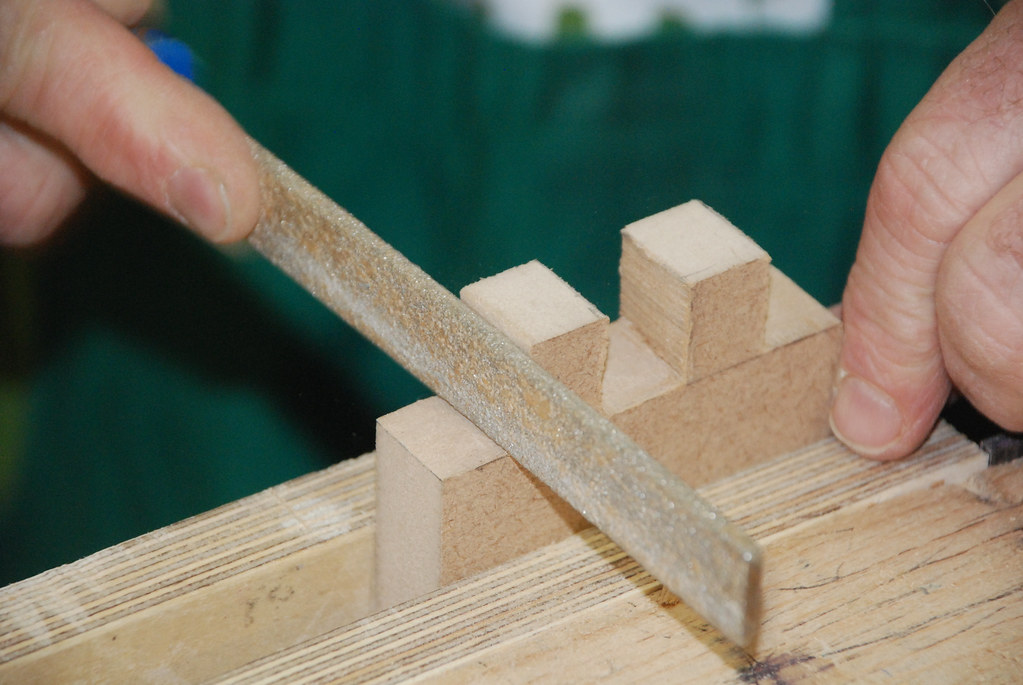
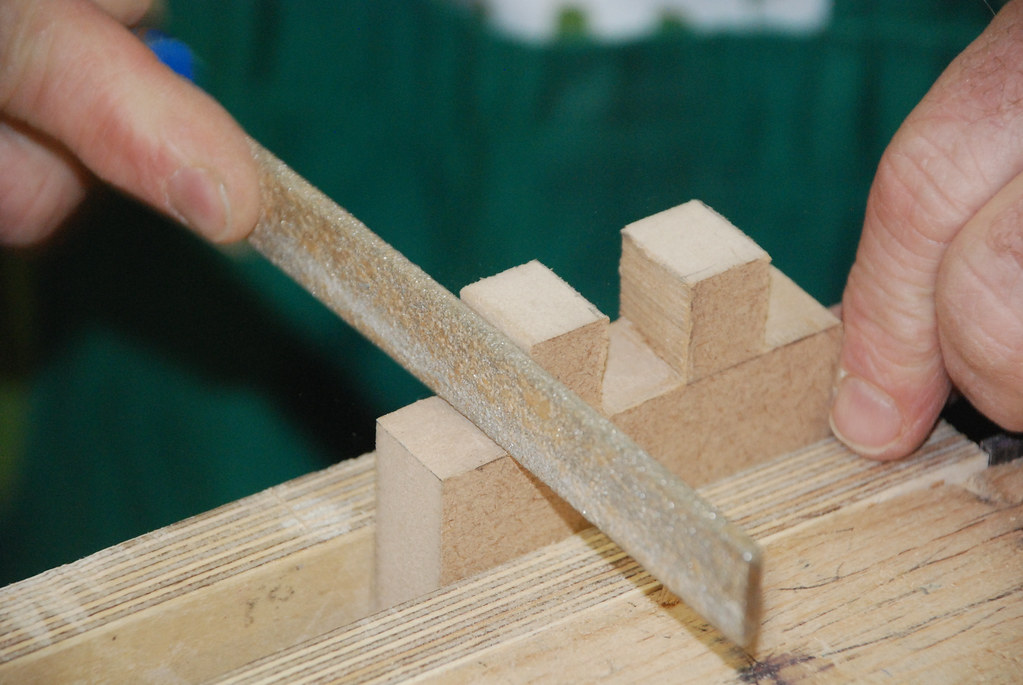
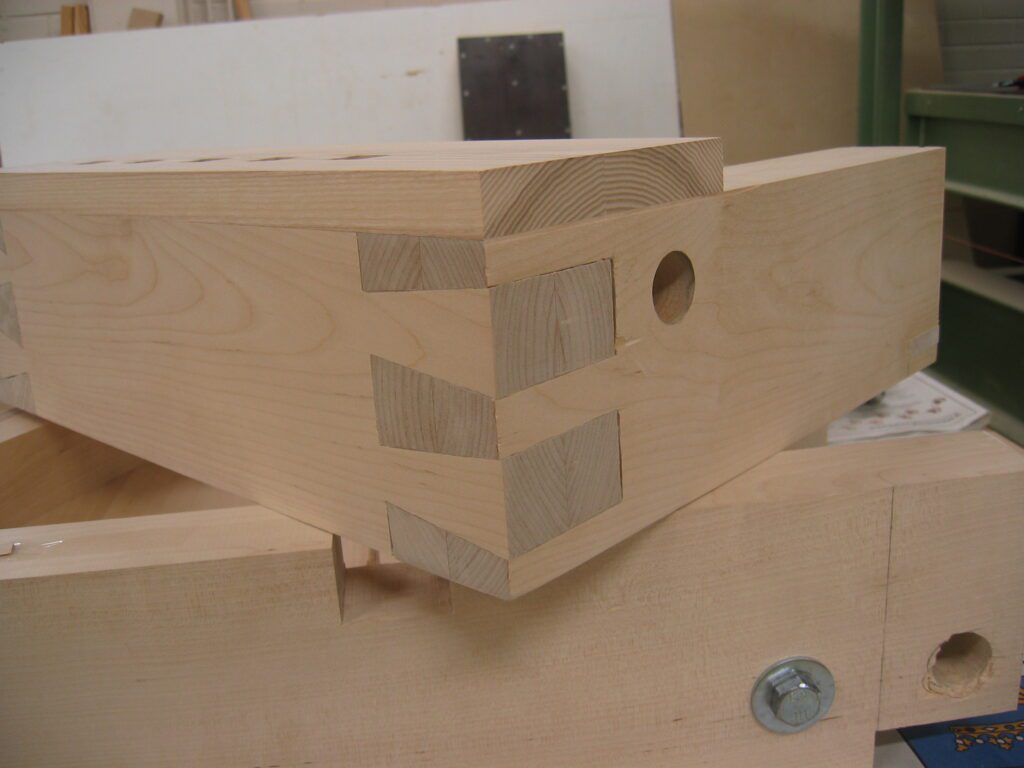
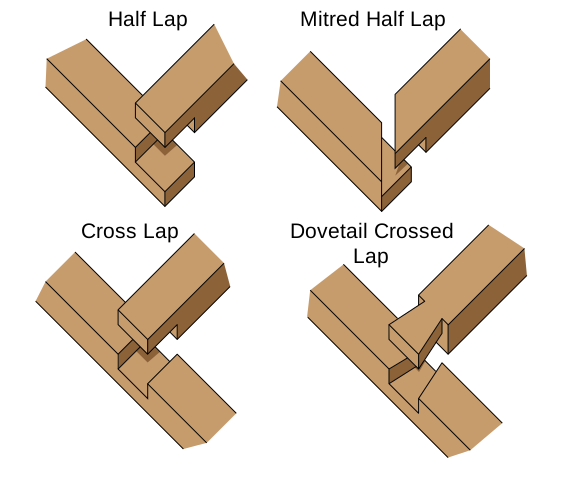
Discover how mastering the essential types of joints in carpentry can transform your woodworking projects from amateur to professional-grade craftsmanship. In the world of carpentry, the strength and longevity of any wooden structure largely depends on how its components are joined together. As experienced carpenters serving Kent’s diverse clientele, we’ve witnessed firsthand how proper joinery can make the difference between a mediocre project and an exceptional one. Recent studies show that properly executed joints can increase furniture durability by up to 85%, making joint selection and execution crucial for any woodworking project. Understanding Basic Joints: The Foundation of Carpentry Basic carpentry joints form the cornerstone of woodworking, with over 70% of all carpentry projects utilising at least one fundamental joint type. These essential connections provide the foundation for everything from simple box construction to complex furniture making. Understanding these basic joints is crucial for any carpenter, whether working on residential renovations or commercial installations. Butt Joints and Mitered Connections The butt joint represents the most fundamental of all woodworking connections, where two pieces of timber are simply joined end-to-end or at right angles. While basic, these joints serve crucial roles in many applications, particularly in framework and rough carpentry. Mitered butt joints, cutting both pieces at 45-degree angles, offer improved aesthetics and are commonly used in decorative trim work and picture frames. However, it’s worth noting that basic butt joints typically retain only 40% of the wood’s inherent strength, often requiring reinforcement for structural applications. Standard Butt Joint: Ideal for quick assembly and non-structural applications Mitered Butt Joint: Perfect for decorative corners and trim work Reinforced Butt Joint: Enhanced with dowels, biscuits, or mechanical fasteners Corner Butt Joint: Common in box construction and basic framing Half Lap Joints: The Perfect Balance Half lap joints represent a significant step up in both strength and complexity. By removing material from both pieces to create an overlapping connection, these joints provide superior stability while maintaining a clean, professional appearance. Recent surveys indicate that half lap joints are used in approximately 35% of all furniture projects, making them one of the most versatile connections in modern carpentry. Advanced Joinery Techniques for Professional Results Advanced joinery elevates woodworking from simple construction to true craftsmanship. These techniques require precision and skill but deliver superior strength and aesthetic appeal. In our experience serving Kent’s high-end residential market, we’ve found that projects featuring advanced joinery command up to 40% higher value compared to those using basic connections. Mortise and Tenon: The Time-Tested Classic The mortise and tenon joint has remained virtually unchanged for thousands of years, testament to its exceptional strength and versatility. This joint creates a secure connection by fitting a projecting tenon into a corresponding mortise cavity. Modern testing shows that properly executed mortise and tenon joints retain up to 80% of the wood’s original strength, making them ideal for furniture legs, frames, and structural components. Tongue and Groove: Perfect for Panels and Flooring Enhanced stability across wide surfaces Superior resistance to warping and movement Perfect for flooring, wall panels, and cabinet backs Allows for natural wood movement while maintaining strength Specialized Joints for Specific Applications Different projects demand different joinery solutions. Our experience in Kent’s diverse carpentry market has taught us that selecting the right specialized joint can make or break a project’s success. Modern woodworking has evolved to include both traditional and contemporary joining methods, each serving specific purposes in today’s carpentry landscape. Dovetail and Sliding Dovetail Joints Dovetail joints represent the pinnacle of traditional joinery, offering unparalleled strength and aesthetic appeal. Studies show that dovetail joints can withstand up to 95% of the force required to break solid wood, making them ideal for drawer construction and fine furniture. Sliding dovetails combine this strength with versatility, perfect for adjustable shelving and cabinet dividers. Biscuit and Pocket Joints: Modern Solutions Biscuit joints: Quick and accurate alignment for panel glue-ups Pocket holes: Perfect for face-frame construction and quick assembly Both methods reduce assembly time by up to 60% Ideal for modern production environments Expert Tips for Joint Selection and Execution Selecting the appropriate joint requires careful consideration of multiple factors, including load requirements, aesthetic preferences, and practical constraints. Our extensive experience in Kent’s carpentry sector has shown that proper joint selection can reduce project completion time by up to 30% while significantly improving overall quality. Choosing the Right Joint for Your Project Consider the load-bearing requirements Evaluate the visual impact of the joint Account for wood movement and environmental factors Factor in available tools and skill level Consider time constraints and budget limitations Tools and Techniques for Perfect Joints Success in joinery relies heavily on proper tool selection and technique. Investment in quality tools can improve joint accuracy by up to 75%, leading to stronger, more durable connections. Essential tools include sharp chisels, accurate marking gauges, and precise cutting implements. Common Joint Applications in Real Projects Understanding where and when to use specific joints is crucial for project success. Our portfolio of completed projects throughout Kent demonstrates how different joinery techniques contribute to various applications, from residential furniture to commercial installations. Furniture and Cabinet Making Dovetails for drawer construction Mortise and tenon for chair and table frames Biscuit joints for panel assembly Sliding dovetails for adjustable shelving Structural Carpentry and Framing In structural applications, joint selection plays a crucial role in both strength and safety. Professional structural joints can increase a building’s lifespan by up to 50 years when properly executed and maintained. Conclusion: Mastering the Art of Joinery Mastering carpentry joints is a journey that combines traditional knowledge with modern techniques. Whether you’re a homeowner planning a renovation or a developer working on a commercial project, understanding these essential joinery methods ensures your woodworking projects will stand the test of time. For professional guidance on your next carpentry project in Kent, consider working with experienced craftsmen who can help you achieve the perfect balance of strength, beauty, and functionality in your wooden structures. FAQ What is the most difficult woodworking joint? Mortise and Tenon