
Natural oiled wooden floors are a hallmark of timeless interior design. Unlike lacquered surfaces that sit like a plastic film on top of the timber, oil penetrates deep into the organic grain, protecting the wood from within while highlighting its unique texture. However, that “living” finish requires a consistent partnership with the homeowner to maintain its luster and structural integrity.
The most common question we encounter from property owners is: “How often do I actually need to do this?” While some might hope for a “set it and forget it” answer, the reality of wood care involves understanding your home’s rhythm, the species of your timber, and the environmental stressors at play. This guide breaks down the science, the signs of wear, and the professional standards of floor maintenance.
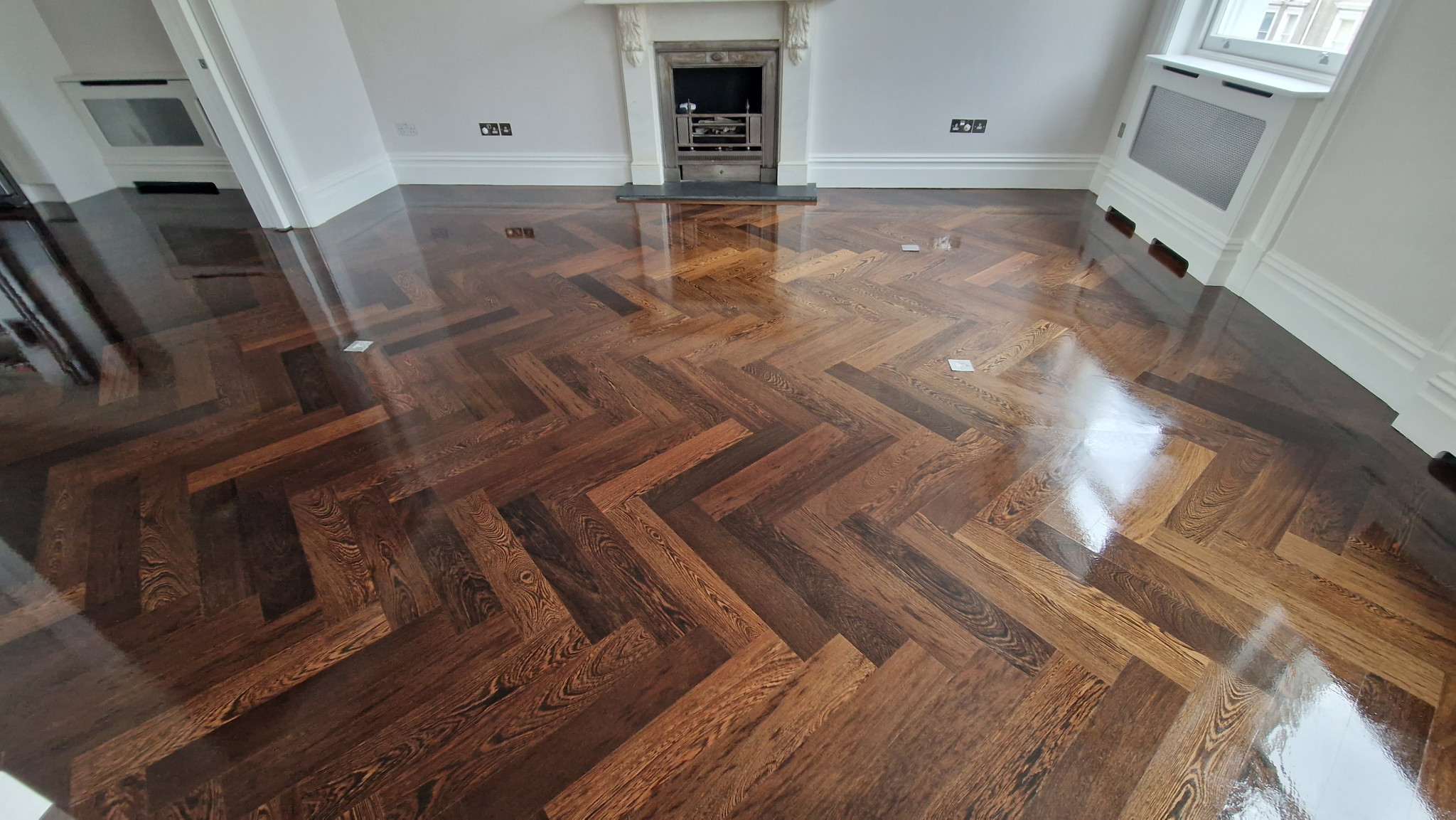
Why Re-Oiling is Non-Negotiable
Wooden floors are hygroscopic, meaning they constantly interact with the moisture and air in your environment. Without a sufficient oil barrier, the wood becomes vulnerable to several types of degradation. First, there is the risk of oxidation, where the timber loses its vibrant color and begins to take on a gray, weathered appearance.
Furthermore, as the wood dries out, the fibers become brittle, leading to splintering and micro-cracks. Perhaps most importantly, a dry floor loses its hydrophobic properties. Without the protection provided by superior re-oiling wooden floors, liquid spills will penetrate the grain and cause deep-set staining rather than simply beading on the surface. Maintaining this finish isn’t just about aesthetics; it’s about long-term preservation.
The General Timeline: When to Re-Oil
While every home is different, you can use these industry standards as a baseline for your maintenance schedule to ensure your investment remains in peak condition.
High-Traffic Areas: 6 to 12 Months
Hallways, kitchens, and entryways endure what we call the “sandpaper effect.” Dust, grit, and microscopic debris brought in from outside act as abrasives underfoot, wearing down the protective oil layer much faster than in other rooms. In these high-activity zones, an annual refresh is usually necessary to prevent the wood from becoming “thirsty” and vulnerable to dirt ingress.
Moderate-Traffic Areas: 2 to 3 Years
Living rooms and dining areas typically require less frequent intervention. If you maintain a “no shoes” policy indoors and use protective pads under furniture legs, you can often push the schedule toward the three-year mark. The key here is monitoring the sheen of the wood; when it begins to look uneven, a maintenance coat is due.
Low-Traffic Areas: 5+ Years
Guest bedrooms or home offices that see minimal footfall can often go five years or more before the wood shows signs of needing a new coat. In these spaces, the primary enemy is UV light and dust rather than physical friction.
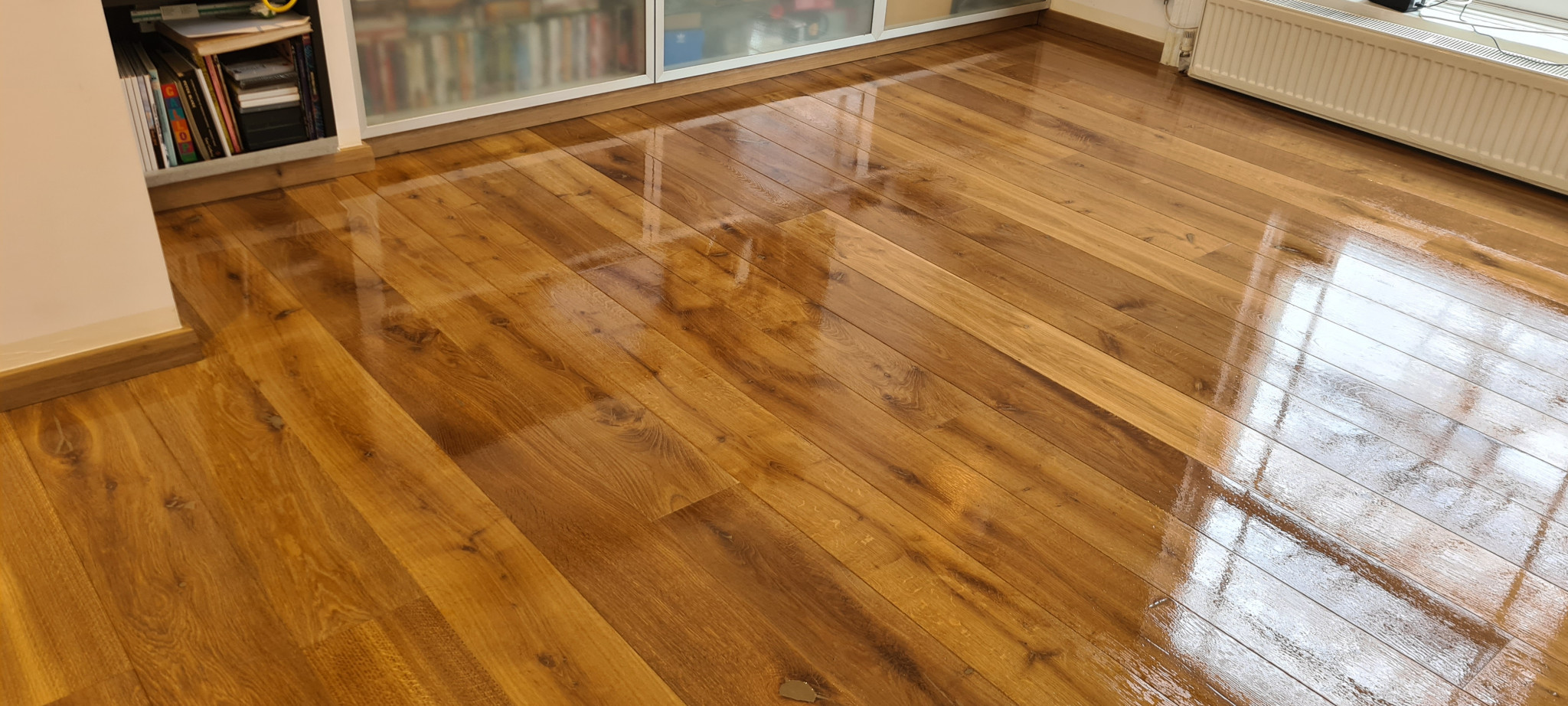
Signs Your Floors Are Thirsty
You don’t always need to rely strictly on the calendar. Your floor will give you physical cues, when it is time to consider professional re-oiling wooden floors. One of the most telling signs is water sensitivity. If you drop a small amount of water on the surface and it soaks in, darkening the wood within a minute, your protective seal has vanished.
You should also look for dull patches in areas where you walk most frequently. If these spots look “flat” or “matte” compared to the wood under rugs or furniture, the oil has been worn away. Color fading is another indicator, as high UV exposure from windows can bleach the timber; fresh oil helps restore that deep, honey-like richness. Finally, pay attention to rough texture. If the wood feels “toothy” or snags when you run a microfiber cloth across it, the wood fibers are likely exposed and rising.
Factors That Influence Your Maintenance Frequency
Several lifestyle factors can accelerate or decelerate your maintenance needs. The “Pet and Pivot” factor is significant; large dogs with claws create micro-scratches that allow moisture to bypass the oil layer. Similarly, heavy furniture that is moved frequently, such as dining chairs, will effectively buff the oil out of the wood faster than stationary pieces.
Environmental factors like humidity and climate also play a massive role. Wood reacts to the seasons, and in environments with heavy central heating, the air becomes incredibly dry. This causes the wood to shrink and the oil to dissipate faster. Maintaining a consistent indoor humidity—ideally between 40% and 60%—can significantly extend the life of your finish. Lastly, your cleaning habits are vital. Using harsh, degreasing soaps or steam mops will strip the oil every time you clean. Always stick to pH-neutral wood soaps.
Professional Care for Your Wood Floors
Maintaining a wooden floor is a significant investment in your property’s value. While DIY kits exist, achieving a flawless, furniture-grade finish requires professional machinery and an expert understanding of wood absorption rates. Applying too much oil can lead to a sticky, dirt-attracting mess, while too little leaves the wood unprotected.
Why choose our Wood Flooring Services?
We provide a comprehensive approach to timber care that goes beyond simple application. Our team uses industrial-grade centrifugal buffers that ensure the oil is driven deep into the pores of the wood, rather than just sitting on the surface. We utilize premium, eco-friendly, and VOC-free oils that are safe for your family and pets.
Furthermore, our service includes a full expert assessment. We don’t just oil; we check for loose boards, evaluate the need for gap filling, and address any structural concerns. With our dustless technology, we ensure your home remains clean and breathable throughout the process. Don’t wait until your floors are damaged or stained. Whether you need a routine maintenance coat or a full restoration, our team is here to bring the soul back to your timber.
Contact us today for a free consultation and let’s give your floors the professional protection they deserve.

